


-
非洲联盟(African Union)简介
-
集成快速建造开启中非国际新征程
-
跨越东西差异,践行多边主义
-
新华国际时评:战“疫”展现中非兄弟情
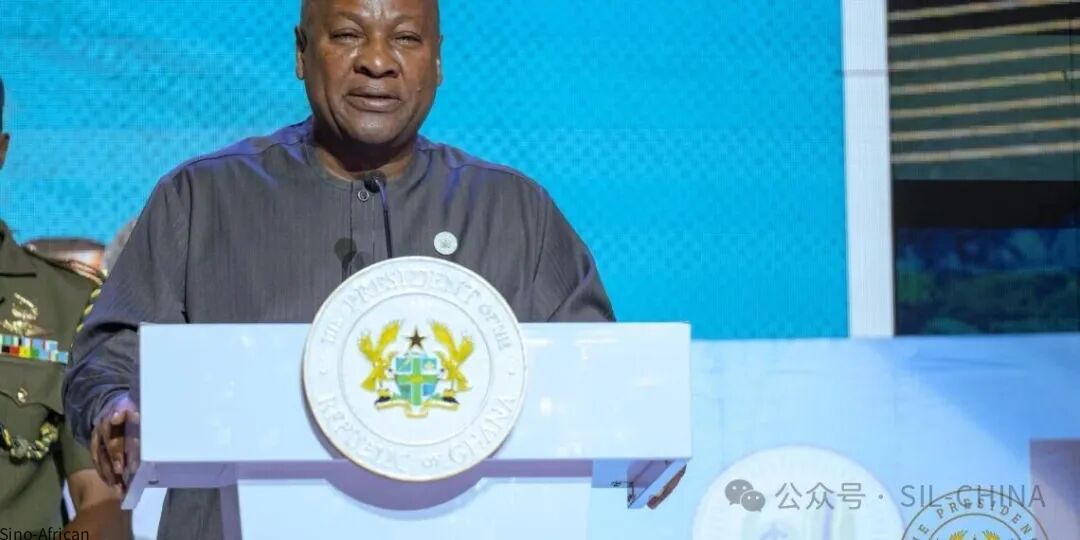
加纳总统 John Dramani Mahama 先生再次呼吁对该国集中化的公共薪资系统进行全面改革,称其已过时、低效,且是审计长年度报告中屡次曝光的薪资违规问题的根源。
在首都阿克拉举行的非洲总会计师协会年度会议上,总统强调,若加纳要消除长期存在的资金漏洞并实现公共财政管理体系的现代化,分权化改革已非可选方案,而是当务之急。
面对来自非洲各国的总会计师代表,马哈马总统直言不讳地指出,加纳现行薪资管理模式 -- 即全国所有公共部门雇员的薪资发放均由总会计师办公室统一管控 -- 已不合时宜,正带来行政与财务双重风险。
他特别批评了这种高度集中化系统的荒谬性:一个员工的薪资状态变更需要经过层层官僚程序才能生效。
"我认为现在必须采取大胆行动推进分权改革。" 总统强调说。据他分析,现有架构导致关键人事变动处理严重滞后,使得 "幽灵员工" 名单、错误薪资发放和长期吃空饷等问题能在系统中潜伏数月甚至数年而不被发现。
为说明系统失灵,Mahama 总统以家乡博勒地区的一名护士为例:即便该护士擅离职守,其薪资仍由阿克拉总部处理,按现行模式可能需要数月才能将停薪文件送达主管部门。他解释道,即便是确认员工是否到岗这样简单的流程,也必须经过区级、大区级、部委级最终呈报总会计师办公室的漫长链条。
"等有人写信给大区,大区转交部委,部委再提交总会计师,三四五六个月就过去了。" John Dramani Mahama 总统如是说。
审计长报告
Mahama 总统指出,审计长的报告屡次揭露公职人员长期擅离职守却持续领取薪金的案例。然而,由于当前集中化管理体制的系统性滞后,该问题仍普遍存在且可预见,对国家财政造成重大影响。
"每年审计长都会指出这类问题,比如某人离职后仍在领薪。" 他强调这些屡禁不止的违规行为凸显了结构性改革的紧迫性。马哈马总统分享了一个极具代表性的案例,揭示了薪资系统的脆弱性与低效性。
据他披露,某机构一名已故雇员 -- 其死亡事实为该机构官员所明知 -- 在死后竟持续领薪长达 36 个月。总统表示此类事件并非个案,而是加纳财政治理体系存在广泛结构性缺陷的缩影。
他主张通过建立监管严密、技术驱动且透明的框架实施薪资分权管理,将有助于强化问责、提升服务效能、加强内部控制,并消除当前薪资链中代价高昂的行政瓶颈。
尽管承认分权改革常引发对地方监督机制健全性的担忧,Mahama 总统坚称维持现状的危害性更大。他指出集中化薪资管理长期以防范滥用为理由,但实践证明现行体制正是滋生低效与浪费的温床。
总统呼吁制定分阶段过渡计划,构建使地区和县级机构能实时核验人员变动的分权薪资体系。他同时强调需建立将地方政府实体与国家财政管理框架挂钩的强健数字系统,以确保效率并防范腐败。
随着加纳推进更广泛的公共部门改革与财政治理优化,总统此番表态料将重新激发对这个关键行政瓶颈问题的全国讨论。
Mahama Champions Radical Decentralisation to End Ghana’s Payroll Leakages
President John Dramani Mahama has renewed the call for a major overhaul of Ghana’s centralised public payroll system, describing it as outdated, inefficient, and responsible for persistent payroll infractions flagged annually by the Auditor-General.
Speaking at the Annual Conference of the African Association of Accountants General in Accra, the President argued that decentralisation is no longer optional but an urgent necessity if Ghana is to eliminate long-standing leakages and modernise its public financial management architecture.
Addressing a gathering of accountants-general from across the continent, President Mahama stated plainly that Ghana’s current payroll arrangement—where the Office of the Accountant-General controls the salary administration of every public sector employee nationwide—has outlived its relevance and now poses administrative and financial risks.’
He highlighted the absurdity of a highly centralised system that requires actions to travel through multiple bureaucratic layers before reflecting on an employee’s salary status.
“I think that the time has come we take bold action about decentralising,” he emphasised. According to him, the existing structure creates long delays in processing critical human resource actions, allowing ghost names, wrongful payments, and extended unearned salaries to slip through the system for months—sometimes years—without detection.
To illustrate the dysfunction, President Mahama cited the example of a nurse working in Bole, his hometown, whose salary is still processed and controlled from Accra. Under the current model, even if such a nurse deserts her post, it may take several months before the right documentation reaches the appropriate authorities to halt the salary.
He explained that a simple process—such as confirming whether a staff member has reported to work—must pass through the district, the region, the ministry, and finally the Accountant-General.
“By the time somebody writes a letter to the region, the region sends it to the ministry, the ministry sends it to the Accountant-General, and some 3, 4, 5, 6 months have passed” President John Dramani Mahama said.
Auditor-General’s Report
The President noted that the Auditor-General’s reports consistently highlight cases where individuals continue to draw salaries long after deserting their posts. Yet, because of the systemic delays in the current centralised arrangement, the problem remains widespread and predictable, with substantial financial implications for the state.
“Every year, the Auditor-General will flag it and say somebody continued to receive a salary even after they had deserted their post,” he said, stressing that the recurring nature of these infractions underscores the urgent need for structural reform. President Mahama shared a particularly striking case that demonstrates both the fragility and inefficiency of the payroll system.
According to him, an individual who had passed away—whose death was well-known to officials in the organisation that employed him—continued to be paid for an astonishing 36 months after his death. The President noted that such episodes are not isolated, but symptomatic of a broader structural weakness in Ghana’s financial governance system.
He argued that payroll decentralisation—through a well-supervised, technology-driven, and transparent framework—would improve accountability, enhance service delivery, tighten internal controls, and eliminate the costly administrative bottlenecks that currently characterise the payroll chain.
While acknowledging the concerns often raised about decentralisation—such as the need to ensure strong local oversight mechanisms—President Mahama insisted that maintaining the status quo is far more damaging.
He said the long-standing justification for centralised payroll management had been based on the need to prevent abuse, but real-world evidence now shows that the centralised system is itself a breeding ground for inefficiency and waste.
The President called for a deliberate, phased transition to a decentralised payroll system that empowers district and regional structures to verify and validate staff movement in real time.
He also highlighted the importance of robust digital systems that link local government entities to the national financial management framework to ensure efficiency and prevent corruption.
As Ghana works toward broader public sector reforms and improved financial governance, President Mahama’s remarks are expected to stimulate renewed debate on one of the country’s most consequential administrative bottlenecks.
来源:the Vaultz News
文:by Evans Junior Owu
翻译:无尽夏
扫码关注迦纳术略微信公众号,每日更新加纳新闻:

 沪公网安备31010702009233号