


-
非洲联盟(African Union)简介
-
集成快速建造开启中非国际新征程
-
跨越东西差异,践行多边主义
-
新华国际时评:战“疫”展现中非兄弟情
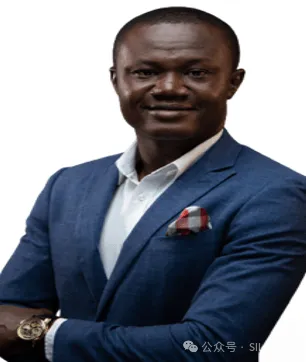
在具有里程碑意义的《北京宣言》和《行动纲领》通过三十年后,全球目光再次聚焦北京——2025 年全球妇女峰会在此召开。
这场盛会绝非仅是仪式性的集结,而是各国对性别平等进程的深刻审视:既检视已取得的进步,更清醒认识到实现真正平等仍任重道远。
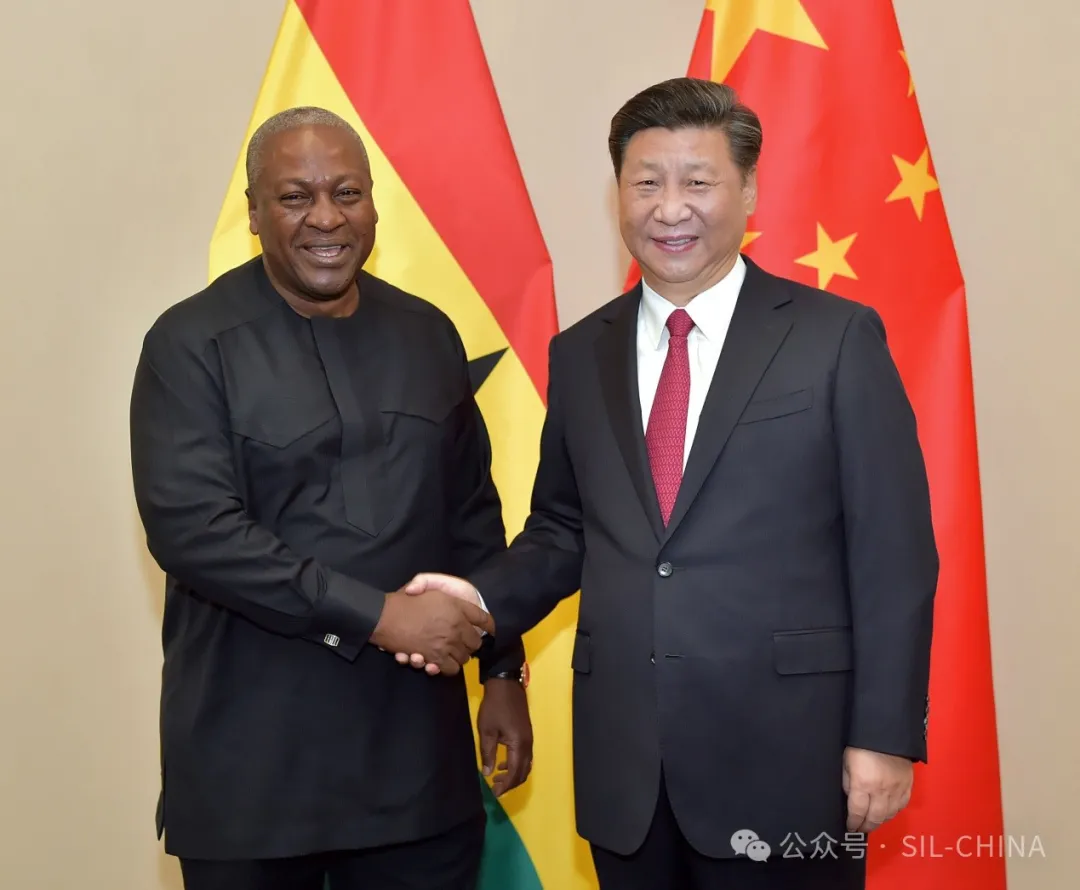
在这次大会上,两位领导人的声音尤为突出:习近平主席阐述了在包容性现代化框架下中国推动全球妇女赋权的愿景,加纳总统 John Dramani Mahama 先生则展现了非洲在性别响应治理方面的务实路径。
他们的发言共同揭示了一个正在转变的范式——南南合作正在重塑性别领导力的叙事。本文探讨 "北京-阿克拉轴心" 如何象征着对全球公平、团结以及世界妇女女童共同进步的新承诺。
北京时刻:中国推动全球妇女赋权的愿景
习近平主席在全球妇女峰会的主题演讲中,将性别平等定位为现代化与全球治理改革的基石。在以 "弘扬北京世妇会精神,加速推动妇女全面发展" 为主题的发言中,他呼吁在日益加剧的不平等、冲突和科技变革中凝聚全球合力推进妇女权益。
其提出的四大主张包括:在冲突地区构建以和平稳定为基础的妇女保护机制;通过创新现代化赋能妇女,确保其受益于数字与绿色转型;完善保障教育、健康和政治参与平等的法治治理体系;依托全球发展倡议和更具包容性的多边秩序深化国际合作。
中方宣布向联合国妇女署新增 1000 万美元援助、实施 1000 个民生项目并设立全球妇女发展能力建设中心等举措,彰显了将愿景转化为行动的决心。这种 "中国特色性别现代化" 路径,融合了经济包容、创新驱动和全球责任共担。
加纳之声:非洲包容性赋权实践
加纳总统 Mahama 先生以非盟性别平等事务特使身份强调,《北京宣言》不仅是意向声明,更是道德契约。
他列举加纳实施的突破性改革:2024 年《平权法案》规定公职岗位 30-50% 的女性配额;设立妇女发展银行推动金融包容;"生计赋能计划" 和学校供餐项目中女性专属配额达 50%。
这些由《家庭暴力法案》《国家性别政策(2025-2034)》等法律支撑的举措,构建了赋权妇女的系统工程。Mahama 先生明确表态:非洲发展取决于妇女进步,加纳正将全球承诺转化为本土实践。
南南合流:性别与发展新范式
尽管国情迥异,中加两国领导人的主张在核心处交汇——性别平等是现代化、和平与全球进步的关键。
习近平构建 "人类命运共同体" 的理念与马哈马 "全球妇女共享繁荣" 的呼吁相呼应,标志着南南性别领导力合作进入新阶段。
这种协同折射出中国全球发展倡议与非洲《2063 年议程》在包容性、公平性方面的深度契合。
通过中非合作论坛等机制,双方在女性领导力培育、数字包容等领域的合作潜力正在释放。加纳的政策实践与中国全球能力建设项目互为镜鉴,为进步提供双向赋能。
重构全球秩序中的性别领导力
在多边主义面临挑战的时代,两位领导人将妇女赋权视为重建全球合作合法性的关键。Mahama 先生警示 "基于规则的国际体系" 遭侵蚀,呼吁捍卫北京成果;习近平则通过全球治理倡议等机制,将妇女置于改革中心。
这种理念交汇标志着性别平等已从社会政策议题升维为地缘政治与发展刚需。对中非而言,性别领导力正成为体现团结、包容价值观的新型软实力支柱。在变革中的全球秩序里,性别平等不再是边缘议题,而是领导力的新语法。
结语:新性别契约
2025 年全球妇女峰会不仅纪念《北京宣言》三十周年,更通过南南视角重构了全球性别政治。习近平与 Mahama 总统的互补性愿景表明,性别平等追求已从道德倡导演变为包容性现代化的战略框架。
从北京倡导的多边合作到阿克拉示范的政策创新,一种连接赋权与治理、创新、多边改革的新性别契约正在成型。"北京-阿克拉连续体" 象征着全球发展思维的决定性转折——妇女进步不再是发展的附属品,而是其根基所在。
正如两位领导人所昭示:未来领导力的衡量标准,将取决于人类现代化的包容程度。
AFRICA-CHINA 2.0 with Paul FRIMPONG: From Beijing to Accra: Reimagining Gender Leadership in A Changing Global Order
Thirty years after the landmark Beijing Declaration and Platform for Action, the world once again turned its gaze to Beijing as leaders gathered for the 2025 Global Leaders’ Meeting on Women. The moment was not merely ceremonial—it was a profound reflection on how far nations have come, and how much further they must go to achieve gender equality.
Two voices stood out at this gathering: President Xi Jinping, articulating China’s global vision of women’s empowerment within the framework of inclusive modernisation, and President John Dramani Mahama of Ghana, presenting Africa’s pragmatic approach to gender-responsive governance.
Together, their messages captured a shifting paradigm—one where South–South cooperation is redefining the narrative of gender leadership. This article explores how the “Beijing–Accra axis” symbolises a renewed commitment to global equity, solidarity, and shared progress for women and girls worldwide.
The Beijing Moment: China’s Vision for Global Women’s Empowerment
In his keynote address at the Global Leaders’ Meeting on Women in Beijing, President Xi Jinping framed gender equality as a cornerstone of both modernisation and global governance reform. Speaking under the theme “Carrying Forward the Spirit of the Beijing World Conference on Women and Promoting the New and Accelerated Process for Women’s All-Round Development,” Xi called for renewed global solidarity to advance women’s rights amid widening inequality, conflict, and technological disruption
He outlined four key proposals to shape the next chapter of the global women’s agenda:
Fostering an enabling environment rooted in peace, stability, and protection of women in conflict zones.
Empowering women through innovation and modernisation, ensuring they benefit from the digital and green transitions.
Strengthening legal and governance frameworks that guarantee equal access to education, health, and political participation.
Deepening international cooperation, anchored in the Global Development Initiative and a more inclusive multilateral order.
Xi also announced new commitments — including $10 million in support to UN Women, 1,000 small-scale livelihood projects, and a Global Center for Women’s Capacity Building — underscoring China’s resolve to translate vision into tangible action. This approach reflects a model of “gender modernisation with Chinese characteristics”, blending economic inclusion, innovation, and shared global responsibility.
Ghana’s Voice in Beijing: An African Vision for Inclusive Empowerment
In his compelling address at the Global Leaders’ Meeting on Women, President John Dramani Mahama positioned Ghana as a leading voice for Africa’s gender transformation and inclusive governance.
Speaking both as President of the Republic of Ghana and as the African Union’s Champion for Gender and Women’s Empowerment, Mahama emphasised that the promise of the Beijing Declaration “was never just a statement of intent; it was a moral covenant.” He underscored that no nation can truly progress if half of its population is left behind, reminding the world that gender equality is both a matter of justice and a catalyst for sustainable development.
Highlighting Ghana’s reforms, Mahama detailed a range of transformative initiatives: the Affirmative Action (Gender Equity) Act, 2024, mandating 30–50% female representation in public office; the establishment of a Women’s Development Bank to promote financial inclusion; and targeted programs like LEAP, the Ghana School Feeding Programme, and 50% microfinance allocations for women entrepreneurs. These measures, supported by legal instruments such as the Domestic Violence Act and the National Gender Policy (2025–2034), represent a comprehensive approach to women’s empowerment.
Mahama’s message was clear and forward-looking: Africa’s progress depends on women’s advancement, and Ghana intends to lead by example—translating global declarations into local realities.
Converging Pathways: South–South Solidarity on Gender and Development
President Xi Jinping’s and President John Mahama’s speeches, though delivered from vastly different national contexts, converge on a profound shared vision — that gender equality is central to modernisation, peace, and global progress.
Both leaders articulated a model of development that situates women not as beneficiaries of policy but as drivers of transformation. Xi’s call for “a community with a shared future for humanity” resonates deeply with Mahama’s appeal for “shared prosperity for women and girls worldwide,” marking a new era of South–South cooperation in gender leadership.
This convergence reflects the growing alignment between China’s Global Development Initiative (GDI) and Africa’s Agenda 2063, both emphasising inclusivity, equity, and social resilience.
Through platforms such as the Forum on China–Africa Cooperation (FOCAC), there is rising potential for collaborative programs on women’s leadership, digital inclusion, and green entrepreneurship. Ghana’s experience in policy implementation and China’s global capacity-building programs together offer a blueprint for mutually reinforcing progress.
In essence, the “Beijing–Accra dialogue” illustrates that the global women’s movement is no longer a North–South conversation but a horizontal partnership among emerging economies. This South–South solidarity anchors gender equality within broader efforts to reform global governance and democratize development.
Reimagining Gender Leadership in a Changing Global Order
Both President Xi Jinping and President John Dramani Mahama situate gender leadership within the shifting contours of a transforming global order. In an age where multilateralism faces unprecedented strain, both leaders converge on the idea that women’s empowerment is essential to rebuilding global cooperation and legitimacy.
Mahama warned of the erosion of a “rules-based international system” and the rise of unilateralism, urging nations to safeguard the hard-won gains of the Beijing Platform. Xi, conversely, reaffirmed China’s call for a more just, equitable, and inclusive system of global governance, placing women at the center of reform through initiatives like the Global Governance Initiative and the Global Center for Women’s Capacity Building
This intersection of ideas marks a significant shift—from gender equality as a social policy agenda to gender leadership as a geopolitical and developmental imperative. In this vision, empowering women becomes an act of global renewal, anchoring peace, innovation, and shared prosperity. For Africa and China alike, gender leadership is emerging as a new pillar of soft power and diplomacy, reflecting the values of solidarity, inclusivity, and mutual respect.
The outcome is clear: in a changing global order, gender equality is not peripheral—it is the new grammar of global leadership.
Conclusion: The New Gender Compact
The 2025 Global Leaders’ Meeting on Women in Beijing has done more than commemorate three decades since the landmark Beijing Declaration—it has redefined global gender politics through a South–South lens. The complementary visions of Presidents Xi Jinping and John Dramani Mahama reveal that the pursuit of gender equality has evolved from moral advocacy into a strategic framework for inclusive modernisation and shared prosperity.
From Beijing’s pledges of global cooperation to Accra’s demonstration of policy-driven inclusion, a new gender compact is emerging—one that links empowerment with governance, innovation, and multilateral reform.
This “Beijing–Accra continuum” symbolises a decisive turn in global development thinking: a world where women’s advancement is not an adjunct to progress but its very foundation. The future of leadership, as both presidents affirm, will be measured by how inclusively humanity modernizes.
来源:财经在线
文:Paul FRIMPONG
翻译:无尽夏
扫码关注迦纳术略微信公众号,每日更新加纳新闻:

 沪公网安备31010702009233号