


-
非洲联盟(African Union)简介
-
集成快速建造开启中非国际新征程
-
跨越东西差异,践行多边主义
-
新华国际时评:战“疫”展现中非兄弟情
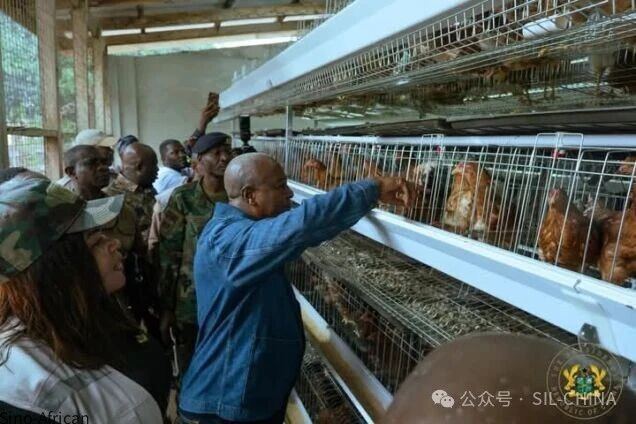
加纳政府推动的农业工业化正在重塑该国农业格局,新建的水稻、家禽饲料、腰果和洋葱加工厂创造了就业机会,振兴了农村经济,并为农民打开了利润丰厚的市场。
在 John Dramani Mahama 总统的领导下,农业不再被视为维持生计的劳作,而是被战略性地重新定位为能够推动出口、加速工业增长和促进国家发展的竞争性商业领域。
这一重大转变正在释放整个农业链的价值,将初级生产转变为盈利企业,使加纳成为该地区新兴的农业工业化力量。
在政府问责系列会议上,食品与农业部长兼 Asunafo 南选区议员 Eric Opoku 先生重点介绍了政府的成就,清晰展现了农业部门的快速转型。
他的报告强调,通过对制造业、灌溉、基础设施和技术的定向投资,正在构建一个将农民与可靠市场及现代化加工设施连接起来的经济体系,使农产品价值成倍增长。
农业加工中心促进就业与农村发展
加纳各地战略性农业加工项目正在重新定义农作物从农场到市场的流通过程。
在托诺,Chiragia 农场有限公司正在安装价值 2.3 万美元的先进大米加工机械,将为 Tono 和东北地区稻农提供稳定的市场渠道。这项投资确保提高质量、减少收获后损失并增加农民收入。
在阿香蒂地区,A2 农业联合公司正在卡阿塞建设现代化家禽饲料加工厂,强化加纳家禽价值链的关键环节,为数以千计的小型和商业家禽养殖户提供支持。
Techiman 也正在成为重要的农业工业中心,Nadkansco 加工有限公司和Obapack有限公司正在建立腰果和洋葱加工设施以刺激就业增长并提升当地原材料价值。
更大规模的是,Almansour 控股集团进入加纳市场具有历史性意义。
这家跨国企业将投资 35 亿美元建设化肥生产厂和化肥学院,另投资 15 亿美元用于全年粮食生产,主要面向卡塔尔出口。
这为加纳农民开辟了新的市场渠道,并推动当地农业更深融入全球价值链。
全球合作伙伴关系推动加纳农业现代化
变革性的全球合作正在加速加纳农业现代化进程。
意大利政府与 BF 国际合作的 1.54 亿欧元投资将建立 1 万公顷灌溉示范农场,专门全年生产水稻、玉米、大豆和番茄。该农场将作为现代灌溉、机械化和高产作物生产的商业规模示范。
该计划的关键环节包括:与 CIHEAM Bari 合作建立国家种子库(联合西非作物改良中心),以及与科学与工业研究委员会合作实施全面的土壤测试和适宜性计划。
这些举措为持续提高生产效率、作物抗逆性和遗传改良奠定了科学基础。
与韩国农村合作组织(KRC)的另一项战略合作正在支持 100 公顷水稻种子生产用地的灌溉开发。
预计到 2027 年,加纳将生产1万吨优质水稻种子,实现水稻种子自给自足并提升国家粮食安全。
本地产量上升促使食品通胀下降
政府农业干预最显著的成果之一是食品通胀率大幅下降。
从 2023 年 1 月 61% 的惊人高位,食品通胀在 2025 年 1 月降至 28.3%,到 2025 年 10 月进一步骤降至 9.5%。
这一稳定态势反映了本地产量提升、灌溉面积扩大、农资获取改善以及农业加工能力增强,这些因素共同保障了全年稳定的食品供应。
"喂养加纳" 计划改变农村社区
"喂养加纳" 计划已成为农村经济转型的基石。九个月内,政府在北部、Bono 和 Ahafo 地区的农业社区和中学建造了 10 座新小型水坝,修复了 8 座现有水坝,并安装了 250 个太阳能钻孔。这些举措确保全年供水,使农民能在雨季和旱季都进行作物种植。
对 Vea, Weta, Tanoso, Kpong, Ashaiman, Aveyime 等主要灌溉计划的大规模修复工程覆盖数千公顷土地,显著扩展了加纳的灌溉农业能力。
此外,阿香蒂和 Bono 东部地区的新内陆河谷开发项目释放了 1200 多公顷土地用于全年水稻生产,推动加纳向农业自给自足国家迈进。
科技创新提升作物产量
通过对农业加工、灌溉基础设施、科学研究和全球合作关系的投资,马哈马政府正在建设一个创造财富、改善农村生计并扩大农业商业机会的现代农业经济。
农业现已成为创新、就业创造和出口增长的动力,使加纳坚定走在经济转型道路上。
加纳农业工业革命不仅提高了粮食产量 -- 更在重塑国家的经济未来。
通过持续投资和富有远见的领导,加纳农业部门有望成为非洲大陆最具活力、竞争力和繁荣的产业之一。
President Mahama’s Agro-Industrial Revolution: Turning Ghanaian Farms into Business Powerhouses
The government’s push for agro industrialisation is reshaping Ghana’s agricultural landscape, with new processing plants for rice, poultry feed, cashew, and onions creating jobs, strengthening rural economies, and opening lucrative markets for farmers.
Under President John Dramani Mahama, agriculture is no longer viewed as subsistence work, it is being strategically repositioned as a competitive business sector capable of powering exports, accelerating industrial growth, and driving national development. This bold shift is unlocking value along the entire agricultural chain, transforming primary production into profitable enterprises and establishing Ghana as an emerging agro-industrial force in the region.
At the Government Accountability Series, where the Minister for Food and Agriculture and Asunafo South Member of Parliament, Eric Opoku, highlighted the government’s achievements, a clear picture emerged of an agricultural sector in rapid transition. His presentation underscored how targeted investments in manufacturing, irrigation, infrastructure, and technology are building an economy where farmers are linked to reliable markets and modern processing facilities that multiply the value of their produce.
Agro-Processing Hubs Boost Jobs and Rural Growth
Across Ghana, strategic agro-processing projects are redefining how crops move from farms to markets. In Tono, Chiragia Farms Limited is installing US$23,000 worth of advanced rice processing machinery that will provide dependable market access for rice farmers in Tono and the North East Region. This investment ensures improved quality, reduced post-harvest losses, and higher incomes for farmers.
In the Ashanti Region, A2 Agro Allied Company is building a modern poultry feed processing facility in Kaase, strengthening a key segment of Ghana’s poultry value chain and supporting thousands of small and commercial poultry farmers. Techiman is also emerging as a major agro-industrial hub, where Nadkansco Processing Limited and Obapack Company Limited are establishing cashew and onion processing facilities to stimulate job creation and boost the value of local raw materials.
On a larger scale, Almansour Holding’s entry into Ghana marks a historic milestone. The multinational is investing USD 3.5 billion in a fertilizer production plant and a fertilizer academy, along with USD 1.5 billion for year-round food production targeted at exports to Qatar. This creates new market channels for Ghanaian farmers and deepens the integration of local agriculture into global value chains.
Global Partnerships Modernise Ghanaian farming
Ghana’s agricultural modernization is being accelerated by transformative global partnerships. A €154 million investment from the Government of Italy, in collaboration with BF International, will establish a 10,000-hectare irrigated model farm dedicated to producing rice, maize, soya, and tomato on a year-round basis. This farm will operate as a commercial-scale demonstration of modern irrigation, mechanization, and high-yield crop production.
Critical components of this initiative include a partnership with CIHEAM Bari to establish a national seed bank in collaboration with the West Africa Centre for Crop Improvement (WACCI) and a comprehensive soil testing and suitability programme to be implemented with the Council for Scientific and Industrial Research (CSIR). These interventions lay the scientific foundation for sustained production efficiency, crop resilience, and genetic improvement.
Another strategic partnership with the Korea Rural Cooperation (KRC) is supporting irrigation development on 100 hectares of land for rice seed production. By 2027, Ghana is projected to produce 10,000 tons of high-quality rice seed ushering the country toward rice seed independence and improved national food security.
Food inflation falls as local production rises
One of the most significant outcomes of the government’s agricultural interventions is the dramatic reduction in food inflation. From an alarming high of 61% in January 2023, food inflation fell to 28.3% in January 2025 and sharply declined further to 9.5% by October 2025. This stability reflects improved local production, expanded irrigation, enhanced access to inputs, and growing capacity in agro-processing that helps maintain steady food supplies year-round.
Feed Ghana programme transforms rural communities
The Feed Ghana Programme has become a cornerstone of rural economic transformation. Within nine months, the government has constructed 10 new small dams, rehabilitated eight others, and installed 250 solar-powered boreholes across farming communities and second-cycle schools in the northern, Bono, and Ahafo regions. These efforts ensure water availability throughout the year, enabling farmers to cultivate crops during both rainy and dry seasons.
Extensive rehabilitation works on major irrigation schemes—Vea, Weta, Tanoso, Kpong, Ashaiman, and Aveyime—cover thousands of hectares and significantly expand Ghana’s irrigated farming capacity. In addition, new inland valley developments across Ashanti and Bono East regions are unlocking more than 1,200 hectares for year-round rice production, advancing Ghana’s position as a self-sustaining agricultural nation.
Scientific innovation strengthens crop yields
Through investments in agro-processing, irrigation infrastructure, scientific research, and global partnerships, President Mahama’s administration is building a modern agricultural economy that generates wealth, strengthens rural livelihoods, and expands opportunities for agribusiness. Agriculture is now a driver of innovation, job creation, and export growth, placing Ghana firmly on the path toward economic transformation.
The country’s agro-industrial revolution is not just improving food production—it is reshaping the economic future of the nation. With sustained investment and visionary leadership, Ghana’s agriculture sector is poised to become one of the most vibrant, competitive, and prosperous on the African continent.
来源:加纳图文在线
文:Ralph Apetorgbor, Communications Specialist & Policy Analyst
翻译:无尽夏
扫码关注迦纳术略微信公众号,每日更新加纳新闻:

 沪公网安备31010702009233号